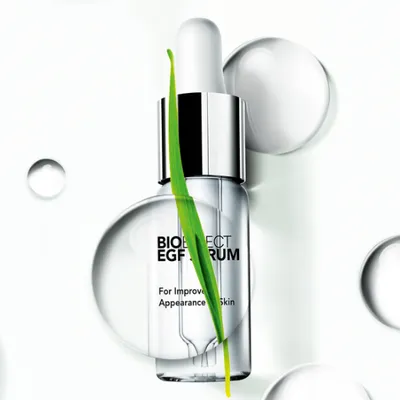
BIOEFFECT
BIOEFFECT is made with clean ingredients.
Learn more about our scoring →
About BIOEFFECT
BIOEFFECT represents Iceland's pioneering approach to biotechnology-driven skincare, leveraging plant-biotechnology to cultivate barley-derived epidermal growth factors in controlled greenhouse environments. The independent brand has carved a distinctive market position through its minimal, science-backed formulations that prioritize ingredient purity and biocompatibility, setting itself apart in the crowded anti-aging segment through innovative cultivation methods that may reduce traditional agricultural pressures.
The brand's sustainability performance reflects a mixed profile of forward-thinking biotechnology applications alongside significant transparency gaps in broader environmental and social impact areas. While BIOEFFECT demonstrates strong commitment to clean chemistry through comprehensive elimination of common irritants and synthetic additives, the company's disclosure practices lag behind industry leaders in climate accountability, supply chain transparency, and third-party animal welfare verification.
As an independent Icelandic company operating since 2010, BIOEFFECT's controlled cultivation approach positions the brand uniquely within the biotechnology beauty space, though the absence of recognized sustainability certifications and limited community impact initiatives suggest opportunities for enhanced accountability measures that could align operational innovation with comprehensive sustainability leadership.
The Good Stuff
Where BIOEFFECT appears to be making meaningful progress. We cross-referenced these findings with multiple independent sources.
Biotechnology Innovation Reducing Land Use
Controlled greenhouse cultivation of barley-derived growth factors demonstrates innovative approach that may significantly reduce conventional agricultural land requirements and associated biodiversity impacts
Comprehensive Clean Chemistry Standards
Rigorous formulation protocols eliminate alcohol, parabens, phthalates, silicones, fragrance, and mineral oil while maintaining gluten content well below EU threshold requirements
Recyclable Packaging Infrastructure
Commitment to recyclable primary containers and fully recyclable secondary packaging materials with ongoing initiatives to improve recycled content integration
The Reality Check
Areas where the publicly available data gets murky, incomplete, or concerning. We're transparent about the limitations of our analysis.
Third-Party Animal Welfare Verification Gap
Despite company policies against animal testing, absence of recognized cruelty-free certifications from independent verification bodies limits accountability assurance
Sustainability Transparency Deficit
No disclosed climate targets, emissions reporting, labor auditing programs, or supply chain traceability initiatives despite controlled operational environment
Conservation Impact Initiative Void
Absence of wildlife support programs, habitat restoration partnerships, or measurable biodiversity conservation funding despite biotechnology's potential environmental benefits
BIOEFFECT's
Impact Aura
A visual representation of BIOEFFECT's positive impact
across People, Planet and Animals
Each colored area represents the brand's performance in that sustainability category. The size and intensity of each blob corresponds to their score—larger, more vibrant areas indicate stronger performance.
Our Research
Key findings from our comprehensive analysis of BIOEFFECT's sustainability performance across People, Planet & Animals impact.
Positive Impact on People
Research Highlights
- Clean formulation standards eliminate alcohol, fragrance, parabens, phthalates, and mineral oil from all products
- Gluten content maintained well below EU threshold requirements for sensitive skin compatibility
- Marketing integrity demonstrates transparent communication about animal testing policies and clean formulations
- Labor practices lack disclosure of independent auditing or fair trade supplier verification programs
- Supply chain transparency shows absence of traceability programs or third-party audit documentation
Evidence Strength
Strong documentation for ingredient safety standards and marketing claims, significant gaps in labor and supply chain verification
Positive Impact on Planet
Research Highlights
- Biotechnology cultivation approach using closed greenhouse systems may reduce conventional agricultural land use impact
- Chemical responsibility demonstrated through formulations free from alcohol, parabens, phthalates, and silicones
- Packaging commitment includes recyclable primary containers and fully recyclable secondary packaging materials
- Climate action lacks published emissions targets or Scope 1/2/3 reporting despite controlled greenhouse operations
- Water stewardship programs remain undisclosed with no efficiency or conservation initiatives identified
Evidence Strength
Solid foundation in clean chemistry and innovative cultivation methods, limited transparency in climate and water management
Positive Impact on Animals
Research Highlights
- Animal testing policy states no internal testing and requires suppliers to maintain similar standards
- Vegan transition planning indicates 85% of current products eligible but certification delayed until 2026
- Third-party animal welfare verification absent with no recognized cruelty-free certification programs
- Wildlife conservation support lacks disclosed partnerships or habitat restoration funding initiatives
- Animal-derived ingredient sourcing shows no disclosed ethical procurement policies or certification standards
Evidence Strength
Basic animal welfare commitments documented through company policies, minimal third-party verification or conservation impact
See the Receipts
We don't just make claims—here are the official certifications that prove BIOEFFECT's sustainability commitments.
Frequently Asked Questions
Is BIOEFFECT sustainable?
BIOEFFECT demonstrates mixed sustainability performance with strong clean chemistry standards and innovative biotechnology cultivation methods that may reduce agricultural land use impact. However, the brand lacks comprehensive climate accountability, third-party animal welfare verification, and broader environmental impact disclosure that characterize leading sustainable beauty companies.
Is BIOEFFECT cruelty-free?
BIOEFFECT maintains company policies against animal testing and requires suppliers to uphold similar standards. However, the brand has not achieved third-party cruelty-free certification from recognized independent verification organizations, which limits external accountability assurance.
Does BIOEFFECT use clean ingredients?
Yes, BIOEFFECT formulations eliminate alcohol, fragrance, parabens, phthalates, silicones, and mineral oil while maintaining gluten content well below EU threshold requirements. Independent safety assessments rate multiple BIOEFFECT products as low hazard with hypoallergenic profiles.
Is BIOEFFECT vegan?
BIOEFFECT is not currently a fully vegan brand. The company indicates that 85% of products are eligible for vegan classification but has delayed official vegan certification until 2026, suggesting ongoing reformulation or verification processes.
What makes BIOEFFECT's biotechnology approach sustainable?
BIOEFFECT's controlled greenhouse cultivation of barley-derived growth factors potentially reduces conventional agricultural land use and associated environmental pressures. However, the brand has not published climate impact assessments or comparative environmental impact studies to quantify these potential benefits.
Does BIOEFFECT have recyclable packaging?
BIOEFFECT commits to recyclable primary containers and fully recyclable secondary packaging materials. The brand has indicated ongoing initiatives to improve recycled content integration, though specific targets or timelines are not publicly disclosed.
What are BIOEFFECT's biggest sustainability gaps?
BIOEFFECT's primary sustainability limitations include absence of climate targets and emissions reporting, lack of third-party animal welfare certifications, no disclosed labor auditing or supply chain transparency programs, and limited community impact or conservation support initiatives.
Ready to Shop BIOEFFECT?
Find BIOEFFECT products through our trusted retail partners
Brands That Score Better


The Bottom Line
BIOEFFECT's innovative biotechnology approach and rigorous clean chemistry standards position the brand as a forward-thinking player in sustainable skincare, though significant transparency gaps in climate accountability, third-party verification, and broader environmental impact disclosure limit its overall sustainability leadership potential.
Compare Brands
See how BIOEFFECT stacks up against similar brands